2
/
12/2025
•
Urban Health
The Youth Sport Trust, a UK children’s charity dedicated to improving young people’s wellbeing through play and sport, has just released its latest Class of 2035 report. The findings come from survey of 1,002 young people aged 5–16. The survey reflects real voices from across the country and paints a striking picture of how children feel about physical activity today.
And here’s the big message for parents: Children want to be active. The challenge is giving them the chance.
According to the report 89% of young people say they enjoy being active; 91% understand why physical activity is good for them; and most children would happily do more exercise if opportunities existed in their school day. Despite their enthusiasm, many children are running into barriers that adults might not see.
One of the most surprising findings is that 17% of children had a PE lesson cancelled this year. That's more than any other subject including English (9%) and Maths (7%). When PE disappears, it often isn’t replaced with another active option; it usually becomes extra classroom time.
On a national scale, this issue has been growing for years. Since the 2012 Olympics, the report highlights that schools have lost 45,000 hours of PE, with another 40,000 hours projected to disappear by 2035 if nothing changes.
Kids are telling us what they need, and it’s simple. The survey asked children what would help them be more active. Here’s what they said:
Forty one per cent said better school facilities or equipment; 38%, more choice in PE activities; 42%, more time to be active at break and lunch; and 64% said they would do more sport if school facilities improved
These are practical, achievable changes — and children are articulating them clearly. The bottom line for parents is that the upcoming generation isn’t lacking motivation. They’re lacking opportunity. Children are eager to move, enthusiastic about sport, and aware of the benefits — but cancelled lessons, squeezed breaktimes, and stretched school resources are standing in the way.
The good news? With more awareness among parents, schools, and policymakers, small shifts could make a big difference. Like the small nudges that our Civic Dollars project uses to promote physical activity for people living with prediabetes, or the opportunities that the Acorn Farm project creates for people to grow, cook and eat healthier food in Derry City and Strabane, when you make space for people to embrace healthy choices, those choices become easier, for adults and children alike.

Other Blogs
19
/
09/2026
•
Urban Health
The statistical profile is part of the city and district's preparation for Phase VIII of the WHO Healthy Cities network
Read More

3
/
08/2026
•
Mental Health

Clear forum speakers on their lessons from wellbeing practice
Read More
6
/
07/2026
•
Grants
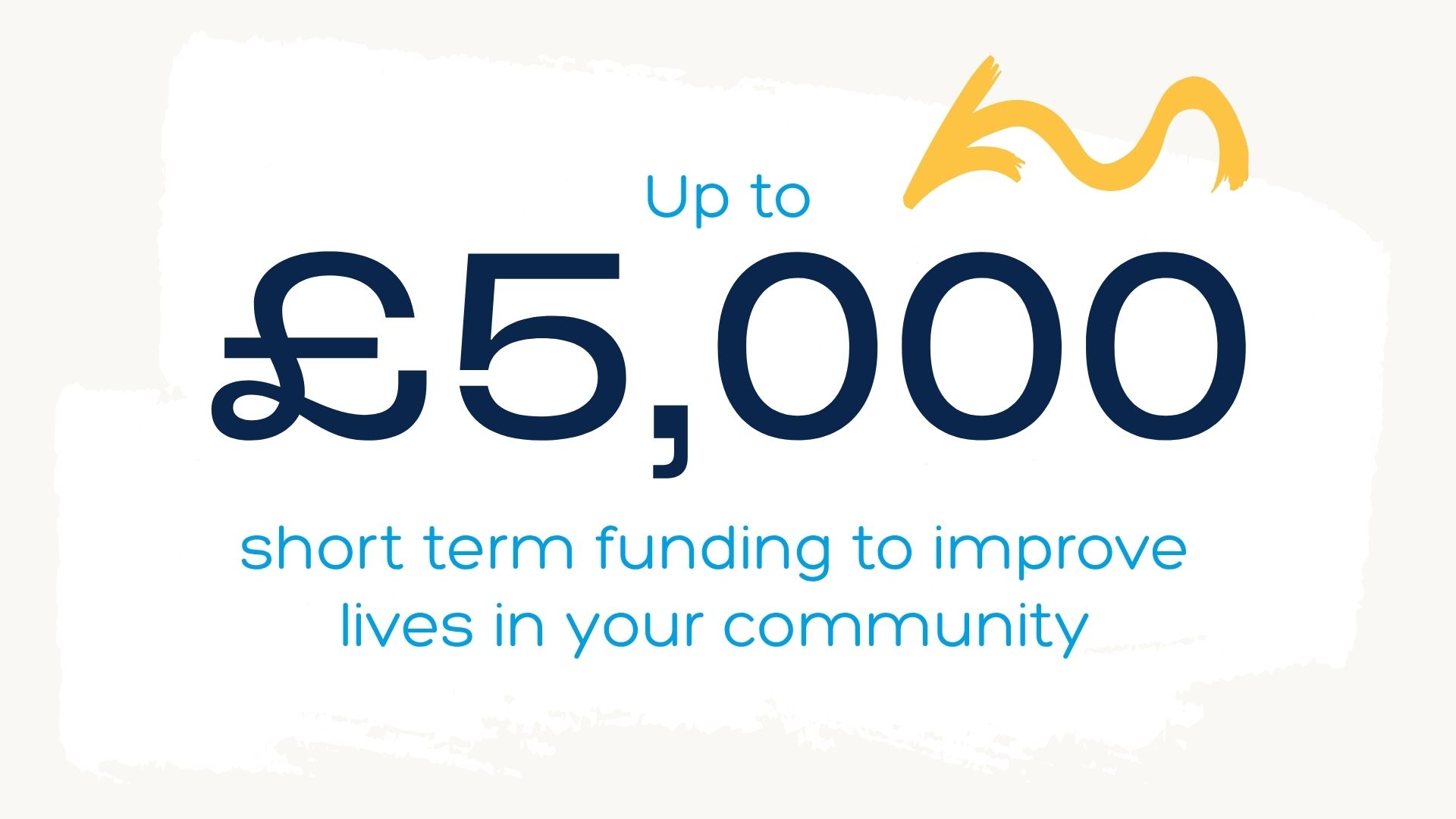
PHA Making Life Better short term funding opened on Monday 6 July
Read More
19
/
09/2026
•
Urban Health
The statistical profile is part of the city and district's preparation for Phase VIII of the WHO Healthy Cities network
Read More
3
/
08/2026
•
Mental Health
Clear forum speakers on their lessons from wellbeing practice
Read More


